
Somerset Council’s £30m support deal explained
By Laura Linham 1st Mar 2026
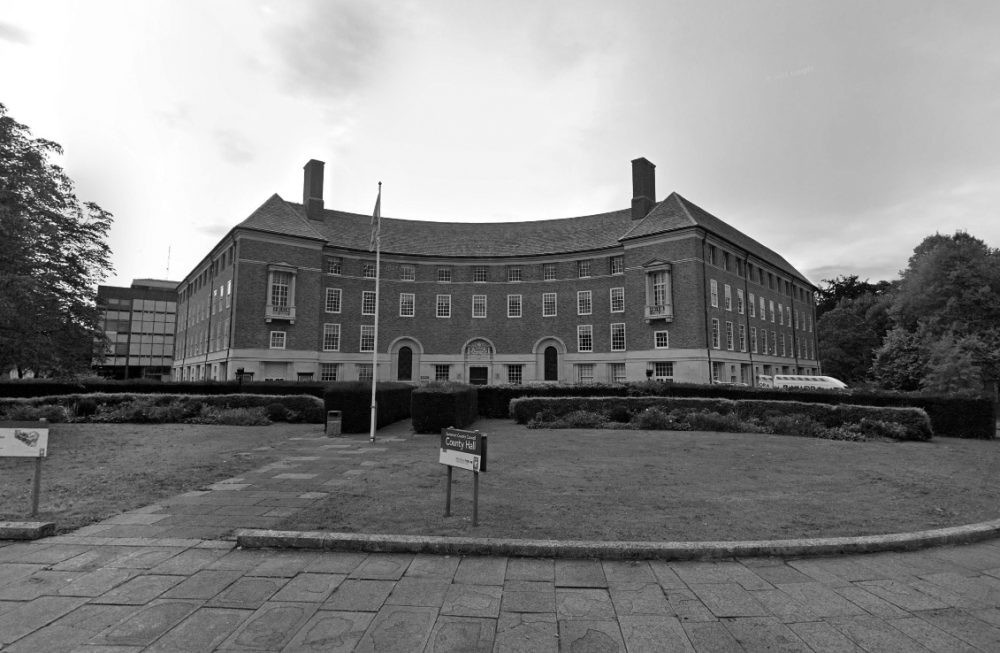

Somerset Council has secured "in principle" approval for £30 million of Exceptional Financial Support (EFS) for 2026/27 — but the Government has also issued a clear warning about the authority's financial position.
The support will allow the council to close a £25m remaining budget gap, with £5m earmarked for further service transformation. Final budget decisions, including a proposed 4.99% council tax rise, will be taken in early March.
Here is everything residents across Wells, Shepton Mallet, Glastonbury, Street and the wider county need to know.
What has been agreed?
The Ministry of Housing, Communities and Local Government has confirmed Somerset can access £30m of EFS.
This is not a grant. It will be provided through a Capitalisation Direction — a mechanism that allows councils to fund certain day-to-day spending through borrowing or asset sales, with costs spread over future years.
Somerset Council says £25m will close its remaining 2026/27 budget gap, while £5m will support its "Inspiring Innovation" transformation programme.
The council reports it has reduced its projected shortfall from £101m in March 2025 to £25m in February 2026.
Why does Somerset need Exceptional Financial Support?
Somerset, like many upper-tier councils, faces rising demand and costs in:
Download our Nub News App!
- It’s FREE and available now- Breaking news notifications
- Your Town in Your Pocket


- Adult social care
- Children's services
- SEND provision
- Temporary accommodation and homelessness support
These are legally required, demand-led services.
Council leader Cllr Bill Revans has also argued that changes to national funding arrangements have reduced Somerset's income, including the removal of additional support for rural councils and the way Government calculates grants using a notional average council tax base.
The council says it will receive no allocation from the Government's £1bn recovery grant.
What concerns has Government raised?
Alongside confirming support, the responsible minister wrote to Somerset Council raising "significant concerns" about aspects of its wider financial position.
The letter highlighted:
- The pace and delivery of the council's transformation plans
- Repeated requests to reprofile previously agreed support into future years
- Concerns raised by external auditors, including statutory recommendations
The minister stated there is an expectation the council takes "robust action" to address these risks.
The department also confirmed it will move quickly to conduct an external assurance review of Somerset Council. This review will examine financial governance, delivery of savings and whether further action is required.
The full scope and timetable of that review have not yet been published.

What is a Capitalisation Direction — and what are the risks?
A Capitalisation Direction allows revenue spending to be treated as capital expenditure.
In practice, that usually means:
- Borrowing to cover immediate budget pressures
- Repaying that borrowing, with interest, over several years
This can stabilise finances in the short term but increases future debt costs.
It does not remove the underlying need to match spending with income.
What happens if a council cannot balance its budget?
Somerset has repeatedly said it is working to avoid issuing a Section 114 notice.
A Section 114 notice is issued by a council's chief finance officer if they believe the authority cannot meet its spending commitments. It effectively freezes most new spending and can lead to direct Government intervention.
Somerset has not issued such a notice.
The approval of EFS means the council can set a legally balanced budget for 2026/27 — subject to councillors approving it.
What about council tax?
The Executive is due to consider a proposal to increase Somerset Council's share of council tax by 4.99%.
If approved, the average Band D charge for Somerset Council services would be £1,950.30 per year.
This figure relates only to Somerset Council's element of the bill. Total household bills also include police, fire and parish precepts, which vary by area.
Final decisions will be taken by Full Council on 4 March 2026.
What role does transformation play?
Somerset Council's Inspiring Innovation programme is central to its recovery plan.
The council says current investment of £15.3m is forecast to deliver £20.6m in savings. Further identified opportunities could potentially generate between £31m and £57m in savings by 2030/31.
These figures are projections and depend on delivery.
The minister's letter indicates Government expects savings and transformation to progress at pace.
What happens next?
Key dates:
- Tuesday, 4 March 2026 — Full Council to set the final budget
The external assurance review will follow as a condition of the support package.
For residents, the immediate impact is that Somerset Council can set a balanced budget for the coming year. The longer-term picture will depend on whether projected savings are delivered, how borrowing is managed, and the outcome of the Government's external review.
Further details are expected when budget papers and review terms are published.
Download our Nub News App:
- It’s FREE and available now
- Breaking news notifications
- Your Town in Your Pocket

Share: